
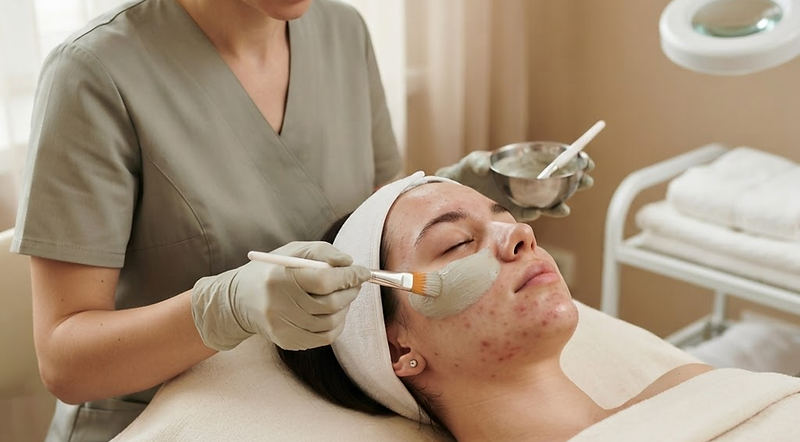
Protecting your skin with sunscreen after a facial is the most effective way to preserve your results and prevent premature aging.
This guide to sunscreen after a facial explains the practical considerations, suitability questions and expectations to discuss at Oasis Spa in Saugus.
Maintaining the health and vitality of your complexion requires a dedicated approach to post-treatment care, particularly when it comes to sun protection. After undergoing professional skin services at Oasis Spa, your skin is often in a more vulnerable state, making the consistent application of sunscreen after a facial an essential step in your daily routine. Whether you have just enjoyed a deep-cleansing treatment or a more intensive resurfacing session, protecting your skin from harmful UV rays is the most effective way to preserve your results and prevent premature aging. In this guide, we explore practical habits to ensure your skin remains shielded, hydrated, and radiant long after you leave our Saugus location at the Square One Mall.
Understanding the Importance of Sunscreen After a Facial
When you invest in professional skincare, such as a Chemical Peel or a Microdermabrasion Facial, you are essentially revealing fresher, more delicate skin cells. This process, while beneficial for texture and tone, temporarily compromises your skin's natural barrier, which can increase sensitivity to environmental stressors like ultraviolet radiation. Incorporating sunscreen after a facial is not merely a suggestion; it is a critical component of your recovery protocol. Without adequate protection, the very sun exposure you hope to avoid can lead to hyperpigmentation, uneven skin tone, and the degradation of the collagen you are working so hard to support. According to the American Academy of Dermatology, proper preparation and post-treatment care are vital for achieving the best outcomes from cosmetic procedures, as the skin requires time to heal and stabilize after being subjected to professional exfoliation or resurfacing techniques. By prioritizing a broad-spectrum SPF 30 or higher, you create a necessary shield that allows your skin to recover without the interference of damaging UVA and UVB rays. This habit should be viewed as the final, non-negotiable step of your skincare regimen, ensuring that the investment you have made in your appearance is protected against the daily onslaught of environmental damage that can quickly undo the progress made during your spa visit.
Establishing a Consistent Routine for Sunscreen After a Facial
Consistency is the cornerstone of effective skincare, especially when you are trying to maintain the glow achieved from a Dermaplaning Facial. Many clients make the mistake of applying protection only on days they plan to spend significant time outdoors, but UV rays are present even on cloudy days and can penetrate through windows. To make sunscreen after a facial a seamless part of your life, keep your product in a visible location, such as next to your toothbrush or your morning moisturizer. If you find that your skin feels particularly sensitive following a treatment, opt for mineral-based formulas containing zinc oxide or titanium dioxide, which are often better tolerated by reactive skin types. Remember that the goal is to create a habit that lasts well beyond the initial recovery period. By applying your SPF every single morning, you normalize the behavior, making it second nature rather than a chore. Furthermore, if you are using active ingredients or have recently undergone a treatment that increases photosensitivity, your skin is at a higher risk for sun damage. Establishing this routine early ensures that you are not just protecting your skin for a few days, but building a long-term defense strategy that keeps your complexion looking youthful, even, and healthy throughout the changing seasons in Massachusetts.
The Science of Reapplication and Coverage
One of the most common misconceptions regarding sun protection is that a single morning application is sufficient for the entire day. In reality, the efficacy of your sunscreen diminishes over time due to sweat, natural skin oils, and environmental friction. When you are focusing on sunscreen after a facial, you must be diligent about reapplication, especially if you are outdoors or near windows. Dermatologists generally recommend reapplying every two hours to maintain the level of protection stated on the bottle. If you wear makeup, consider using a powder-based SPF or a setting spray that contains sun protection to refresh your coverage without disrupting your look. It is also important to understand that the SPF number on your product indicates the level of protection against UVB rays, but you should always look for 'broad-spectrum' on the label to ensure you are also shielded from UVA rays, which are responsible for deep-tissue aging. Do not be fooled by high-number SPFs into thinking you can stay out longer without reapplying; the duration of protection remains the same regardless of the SPF value. By keeping a travel-sized sunscreen in your bag, you can easily touch up your protection throughout the day, ensuring that your skin remains fully defended against the cumulative damage that leads to fine lines and dark spots.
Selecting the Right Products for Your Skin Type
Not all sunscreens are created equal, and finding the right one is essential for ensuring you actually enjoy wearing it. After a Clarifying Facial, your skin may be prone to congestion, so choosing a non-comedogenic, lightweight formula is vital to prevent breakouts. Conversely, if your skin feels dry or tight after a treatment, look for hydrating sunscreens that incorporate ingredients like hyaluronic acid or ceramides to provide moisture while offering protection. The texture of your sunscreen can also influence how likely you are to use it consistently. If you prefer a matte finish, look for oil-free or 'dry-touch' formulations that absorb quickly without leaving a greasy residue. For those who prefer a more natural look, tinted sunscreens can provide a subtle glow while evening out your skin tone, effectively acting as a hybrid between skincare and light coverage. Always check the ingredient list to ensure the product is free from fragrances or harsh chemicals that might irritate your skin while it is in a sensitive, post-treatment state. By testing a few different options, you can find a product that feels like a luxury rather than a necessity, making it much easier to maintain your commitment to daily sun protection and long-term skin health.
Practical Tips for Long-Term Skin Preservation
Pro Tip: When applying sunscreen, do not forget the often-neglected areas such as your ears, the back of your neck, and the décolletage, as these areas show signs of aging just as quickly as the face.
Beyond the daily application of sunscreen after a facial, consider other protective measures to enhance your results. Wearing a wide-brimmed hat or seeking shade during peak UV hours—typically between 10 AM and 4 PM—can significantly reduce your total sun exposure. If you have recently had a more intensive treatment, such as Microneedling with Salmon DNA, your skin is in a state of active repair. Please note that while microneedling is a popular aesthetic service, the FDA has not cleared microneedling devices for use with specific product combinations, and the efficacy of salmon DNA in skincare is still being studied; therefore, we focus on gentle, provider-directed aftercare to support your skin's natural healing process. Always follow the specific instructions provided by your esthetician at Oasis Spa, as they can offer personalized advice based on the intensity of your treatment. By combining professional care with diligent home habits, you can maximize the benefits of your facials and maintain a radiant, healthy complexion for years to come. Visit us at our Saugus location or book your appointment online to start your journey toward better skin health today.
For background on professional exfoliation and treatment safety, see this independent clinical resource. This is general education, not an endorsement of Oasis Spa or evidence for a specific product combination.
Frequently asked
Questions we hear most
Why is sunscreen so important after a facial?+
Facials often involve exfoliation that removes dead skin cells, leaving your fresh, new skin more vulnerable to UV damage. Sunscreen acts as a protective barrier to prevent hyperpigmentation and maintain the results of your treatment.
How often should I reapply sunscreen?+
You should reapply your sunscreen approximately every two hours when you are outdoors. If you are sweating or swimming, you may need to reapply even more frequently to ensure continuous coverage.
Can I wear makeup over my sunscreen?+
Yes, you can wear makeup over your sunscreen. It is best to let the sunscreen absorb for a few minutes before applying your makeup, or use a setting spray with SPF to touch up your protection throughout the day.
What type of sunscreen is best for sensitive skin?+
Mineral-based sunscreens containing zinc oxide or titanium dioxide are generally recommended for sensitive skin. These ingredients are less likely to cause irritation compared to some chemical filters.
Does a higher SPF mean I don't have to reapply as often?+
No, a higher SPF does not allow you to stay out longer without reapplication. All sunscreens should be reapplied every two hours to maintain their effectiveness against UV rays.
Ready when you are
Book a consultation in Saugus
Every plan starts with a conversation about your goals and your skin. We will confirm what suits you and map the treatments from there.
Services are subject to consultation and individual suitability. Results vary. No result is guaranteed.